


Editorial by Steven Hotze, M.D.
Successful Luna/Pingree-Massie amendment to the Agricultural “Farm” Bill directly blocked corporate liability carve-out for glyphosate makers. It keeps product liability lawsuits viable rather than letting federal preemption shield manufacturers. The fight could continue in the Senate or courts, but as of May 1, 2026, the House version no longer contains the corporate immunity language.
The amendment was introduced by Rep. Anna Paulina Luna’s (R-FL). It passed the House on April 30, 2026, by a vote of 280-142 with bipartisan support, including 73 Republicans joining most Democrats and stripped controversial pesticide-related provisions from the bill before it advanced to the Senate.
The House Agriculture Committee’s draft Farm Bill, released February 13, 2026, included provisions under “Uniformity of Pesticide Labeling Requirements” (primarily Section 10205, along with related Sections 10206 and 10207). These would have:
• Required national uniformity for pesticide labels and packaging, meaning states, localities, or courts could not require manufacturers to add health/safety warnings, usage restrictions, or other language beyond what the EPA had already approved under the Federal Insecticide, Fungicide, and Rodenticide Act (FIFRA).
• Explicitly barred courts from holding pesticide manufacturers or distributors/applicators liable for “failure to warn” or similar claims if their labels matched the EPA-approved version—even if states or plaintiffs argued the labels were inadequate for health risks.
Critics, including lawmakers from both parties and “Make America Healthy Again” advocates, called this a “liability shield” or “Big Chemical immunity” for manufacturers like Bayer, which owns Monsanto, maker of Roundup. Bayer had lobbied heavily, over $9 million reported, for such protections amid thousands of ongoing lawsuits alleging that glyphosate—the active ingredient in Roundup—causes cancer, particularly non-Hodgkin’s lymphoma. While the EPA maintains glyphosate is not carcinogenic when used as directed, the World Health Organization’s International Agency for Research on Cancer classified it as “probably carcinogenic to humans” in 2015. Bayer has paid billions in settlements.
This provision was seen as preempting state and local authority (e.g., warning labels near schools or stricter use rules) and limiting product liability claims. It came amid related controversy over a February 2026 Trump Executive Order promoting domestic glyphosate production which some feared could add federal contractor immunity defense.
What the Luna amendment did was strike the liability-shielding language entirely. By removing these sections, it did the following:
• Preserved states’ and localities’ ability to require additional pesticide warnings or restrictions beyond EPA minimums.
• Ensured courts could still consider “failure-to-warn” or product liability claims against manufacturers if plaintiffs argue the federal label was insufficient—preventing glyphosate and other pesticide makers from using this new federal law as a blanket escape from product liability.
Congressman Pingree described the original language as a “handout to big agriculture and big chemical” that “puts chemical company profits over the health of Americans.” Rep. Massie emphasized protecting Americans’ right to sue if harmed by products like glyphosate. Rep. Luna, a key MAHA-aligned voice, threatened to block the entire Farm Bill without the change and celebrated the outcome as a win for states’ rights and public health.
The House then passed the amended Farm Bill without the pesticide liability protection shield by 224-200. It now moves to the Senate, where the stripped provisions are not expected to return easily.
Separate but related legislation
Pingree and Massie also introduced the stand alone “No Immunity for Glyphosate Act” (H.R. 7601) in February 2026 to block any immunity stemming from the Trump Executive Order and explicitly affirm that glyphosate manufacturers have no immunity from civil liability for harms caused by the chemical.
In short, the successful Luna/Pingree-Massie amendment to the Agricultural “Farm” Bill directly blocked what opponents viewed as a corporate liability carve-out for glyphosate makers. It keeps product liability lawsuits viable rather than letting federal preemption shield manufacturers. The fight could continue in the Senate or courts, but as of May 1, 2026, the House version no longer contains the immunity language.

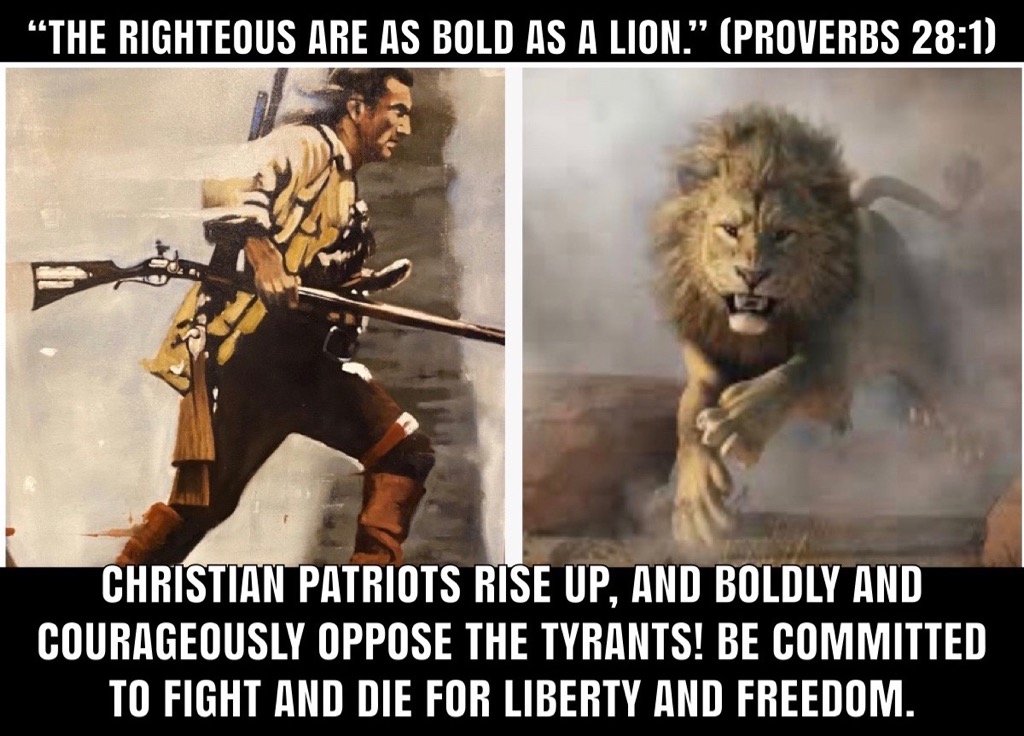

“I, _____, do solemnly declare that, with God’s help, I will be a Proverbs 28:1 Christian Patriot, “The righteous are as bold as a lion.” I renounce Satan and all his works. I pledge my faith and allegiance to Jesus Christ our King. I will courageously protect our God-given, unalienable freedoms and rights. I will defend the Constitution of the United States, which was written to guarantee these freedoms and rights, against all enemies, both foreign and domestic. To this end, with a firm reliance upon the protection of God’s Divine Providence, I do pledge to my fellow Patriots, my Life, my Fortune, and my sacred Honor.”
Sign the Christian Patriot Declaration
www.crtpac.com