


The Fraying Fabric: How America’s Casual Dress Signals a Deeper Moral Decay
Steven Hotze, M.D.
In an era where sweatpants have become acceptable office attire and pajamas are spotted in grocery aisles, it’s worth pausing to consider what our wardrobes say about us as a society.
The United States, once a bastion of polished public presentation, has witnessed a steady erosion of dress standards over the past half-century. This shift is not merely a fashion trend, rather it’s a mirror reflecting a broader moral decline. Until the 1960s, when even the working class donned suits to signal self-improvement and dignity, to today’s ubiquitous leisure dress, our increasingly sloppy attire parallels a loss of self-respect, communal courtesy, and ethical rigor.
As cultural commentators have noted, this casualization of dress communicates not just comfort, but a surrender to decadence.
By examining historical patterns, sociological insights, and psychological research, we can see how the way we dress reveals our inner value, and why reclaiming tailored standards might be key to reversing our cultural slide.
A Historical Unraveling: From Suits to Slouchwear
To understand the decline, we must look back. Until the 1960s, American dress codes were a symbol of aspiration and order. Public attire was tailored and sharp across class lines. Men wore suits and hats and women wore modest dresses, even among the poor. This wasn’t about vanity. It was about projecting self-respect and a commitment to societal uplift.
Photographs from earlier times revealed bustling city streets filled with well-dressed crowds, where appearance signaled one’s place in a striving, hierarchical civilization. Dressing up was a way to emulate the elite and demonstrate personal betterment.
Fast-forward to the mid-20th century, when cracks began to appear. The 1960s counterculture rejected formality as a symbol of oppressive norms, paving the way for jeans and t-shirts to infiltrate everyday life. By the 1990s, “business casual” emerged in workplaces, diluting professional standards under the guise of comfort and creativity. The 2000s accelerated this with the rise of tech billionaires in hoodies, normalizing slovenliness as a badge of innovation.
The COVID-19 pandemic dealt the final blow. Remote work led to “Zoom shirts” paired with pajama bottoms, and as life resumed, many never reverted to pre-pandemic polish.
Today, formal dress is reserved for rare occasions like courtrooms, weddings and funerals. Even now tailored dress continues to erode, with people wearing tee shirts and flip flops in restaurants and church.
This trajectory mirrors broader societal shifts. As dress codes relaxed, so did manners and ethics. In the 1920s, bans on short flapper dresses were tied to fears of moral erosion. Today, indecent campus attire prompts similar concerns about integrity and decency. Studies from higher education institutions highlight how indecent dressing among youth correlates with a crisis in values, influenced by globalization, media, and weak enforcement of standards.
In workplaces, casual policies have undermined authority, credibility, and long-term professionalism. The result? A culture where obesity, rudeness, and ethical lapse, like increased tolerance for behaviors once deemed unacceptable, go hand-in-hand with spandex and flip-flops.
Dress as a Moral Barometer: The Link to Societal Decay
The correlation between lax dress and moral decline is not coincidental. It is causal in many ways. When we abandon standards in appearance, we erode discipline in other areas. As one cultural critic put it, “The neglect in our dress is not so much deliberate nowadays as it is simply a part of who we are.” This slovenliness fosters a crudeness that seeps into cultural behavior. Think of the rise in public incivility, from road rage to foul language in stores. In schools and universities, dress codes were once tools to instill respect and focus. Their weakening has coincided with plummeting academic integrity and heightened distractions.
Broader indicators of moral slippage align with this timeline. Gallup polls show Americans’ acceptance of once-taboo behavior, like homosexuality, transgendersism, fornication, adultery, abortion and euthanasia, has risen dramatically. The paradox is that while we have casualized our dress to promote “equality,” it has instead amplified divisions, with the wealthy mimicking proletarian sloppiness in a perverse form of egalitarianism.
This proletarian shift signals not progress, but decay of society where hierarchy and aspiration are scorned, leading to widespread apathy and ethical relativism.
In politics and culture, they reflect social changes, from gender norms to post-pandemic laziness. When politicians opt for hoodies over suits, it undermines authority and public trust, much like how casual corporate attire has correlated with reduced productivity and incompetence. Ultimately, this surrender of tailored dress embodies a moral demise. We have traded tradition and respect for convenience, fostering a culture of entitlement over excellence.
What Your Clothes Say: Self-Perception and Regard for Others
At its core, the way you dress is a nonverbal cue that tells others what you think about yourself and what you think them.
Psychological research on shows that what we wear alters our mindset. Sharp attire enhances abstract thinking, confidence, and authority, while casual clothes promote relaxation but also complacency.
Wearing a suit does not just make you look sharp, it makes you think sharper, boosting self-perception and performance.
This extends to social signals. Dressing well tells others how you value yoursel, projecting dignity, ambition, and self-discipline. It also conveys respect for them, how you value them. Showing up polished for a meeting or event honors the occasion and participants.
Conversely, slouching in sweatpants screams indifference: “I don’t care about my image, so why should I care about you?” The halo effect amplifies this.
Well-dressed individuals are perceived as smarter, more competent, and trustworthy, while the unkempt trigger negative biases like assumptions of laziness.
Fashion psychology underscores that clothing shapes identity and interactions. Bold, quality attire improves self-esteem and social confidence, while poor choices can constrain mental health. In a society of lowered standards, this creates a feedback loop. Casual dress breeds casual morals, where personal comfort trumps community courtesy.
Remember this. The way you dress is the way you will be addressed, influencing the way others perceive and treat you.
Reclaiming the Thread: A Path Forward
America’s dress decline is not irreversible, but it demands intentionality. By dressing with purpose, choosing tailored clothes and dress shoes over tee shirts and tennis shoes or flip flops, we can rebuild self-respect and societal bonds. This isn’t about elitism. It is about elevating everyone through shared standards.
As we confront moral challenges like intolerance and inequality, let’s remember that the fabric of society is woven from individual threads. Dress like you mean it, and watch the culture follow suit.
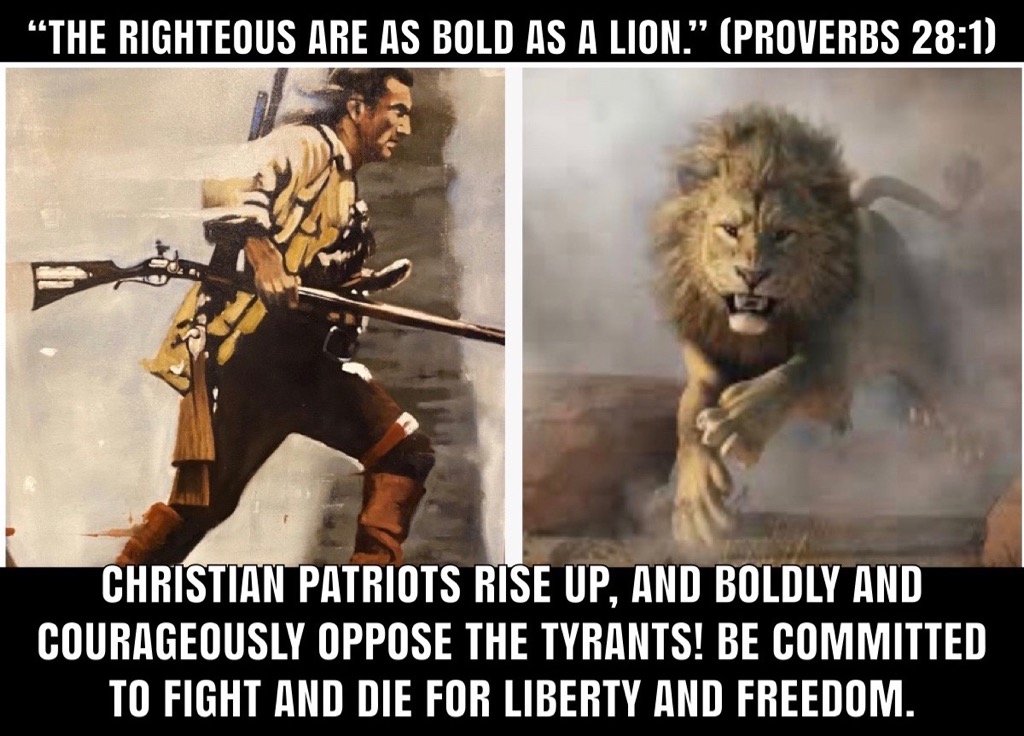

“I, _____, do solemnly declare that, with God’s help, I will be a Proverbs 28:1 Christian Patriot, “The righteous are as bold as a lion.” I renounce Satan and all his works. I pledge my faith and allegiance to Jesus Christ our King. I will courageously protect our God-given, unalienable freedoms and rights. I will defend the Constitution of the United States, which was written to guarantee these freedoms and rights, against all enemies, both foreign and domestic. To this end, with a firm reliance upon the protection of God’s Divine Providence, I do pledge to my fellow Patriots, my Life, my Fortune, and my sacred Honor.”
Sign the Christian Patriot Declaration
www.crtpac.com